
Welcome to the 16th Edition of The Solar Dispatch!
Winter is approaching, and this month’s Solar Dispatch is all about solar in winter!
Horizon insights: What homeowners should expect from solar in winter, why generation changes, and how a few simple checks can keep your rooftop solar system performing reliably through the colder months.
Solar sector updates from India and abroad.
Solar innovations: New technologies and ideas shaping the future of clean energy.
What happens to your solar plant in winter?
While shorter days and persistent fog can reduce generation, cooler temperatures can actually help solar panels operate more efficiently. Understanding these seasonal changes helps you distinguish normal shifts from serious issues.
In this edition, we break down what winter means for your solar generation, how to monitor your system’s performance, and what you can do now to prepare for the months ahead.

This month, we are shining the spotlight on one of India’s biggest builders, literally! Cement drives infrastructure, but its carbon footprint is massive. In this edition, we see how solar power can help.
Cement quite literally builds modern India, but it comes with a steep carbon cost. India, the world’s second-largest cement producer (391 MT annually), generates ~226 MT of CO₂ emissions from this sector alone.
To grow sustainably, the industry must pivot and the solution is right above us! Solar power is already helping India’s cement leaders lower emissions, lock in savings, and strengthen competitiveness. Read more
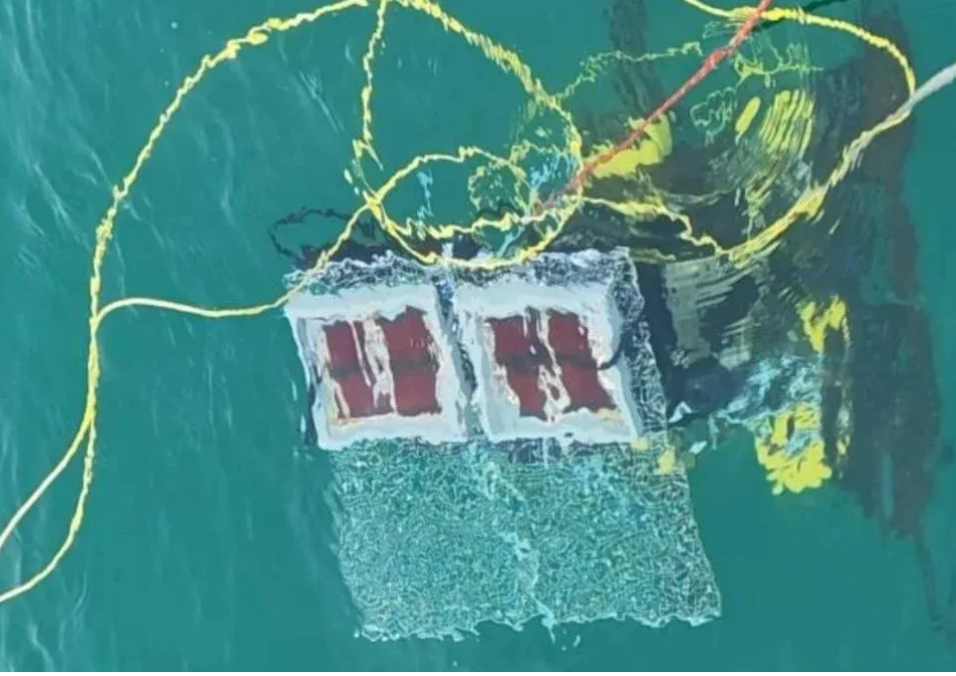
Researchers find perovskite solar cells function 10 meters below sea surface
Researchers in China deployed lead halide perovskite solar cells 10 meters below the surface of the South China Sea. The cells generated 324 mWh, enough to charge lithium-ion batteries, when submerged for two hours.
Solar panel waste silver turned into a catalyst for carbon monoxide production
Researchers in South Korea have developed a method to upcycle silver nanoparticles recovered from silicon solar panels into electrocatalysts for high-rate carbon monoxide (CO) production. CO is an industrial feedstock used to produce chemicals and fuels.

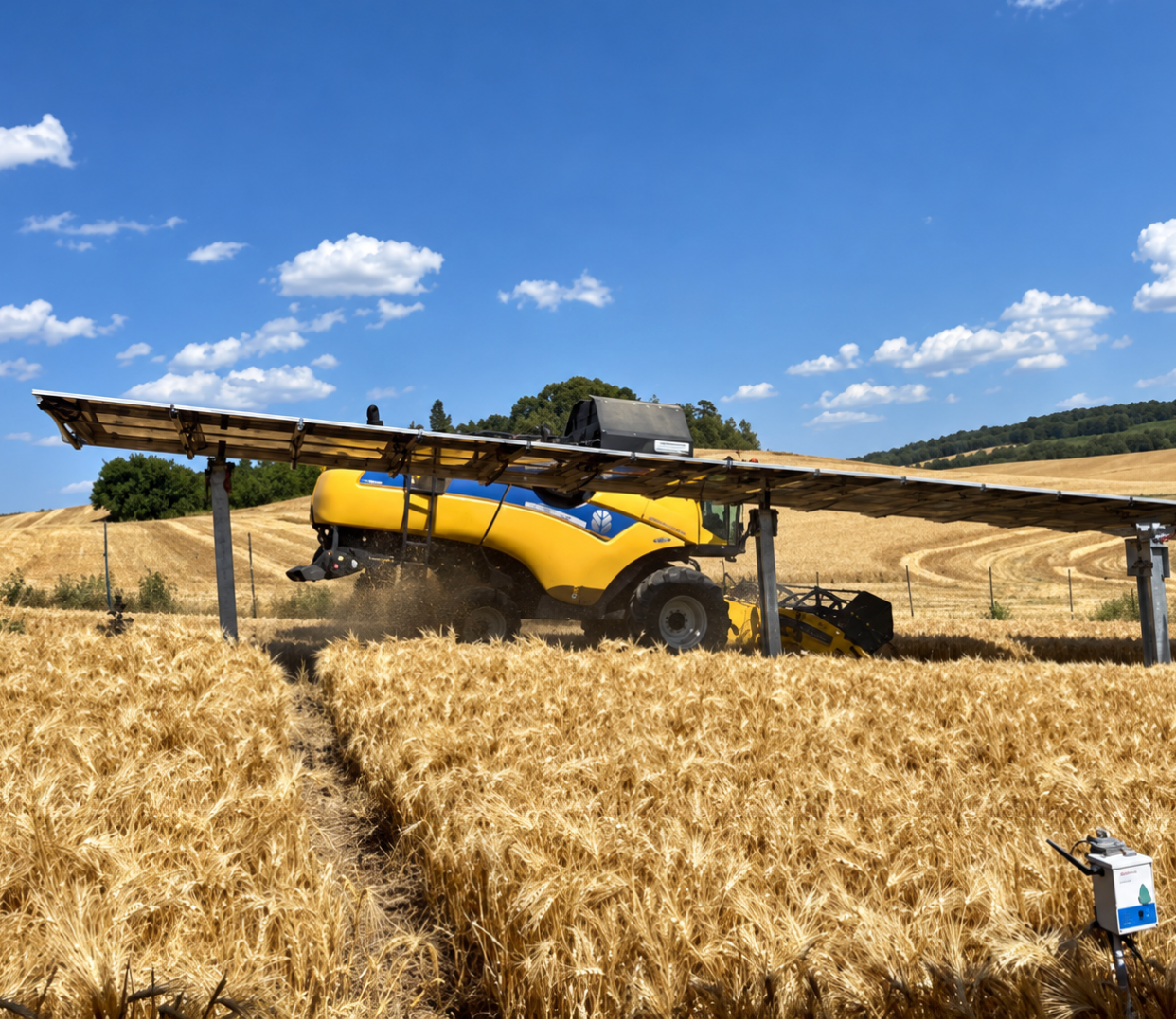
French agrivoltaic trials cut water loss, lift maize yields by 19.6%
French RE producer TSE has reported results from agronomic monitoring at its agrivoltaic sites, including barley yields of up to 96% of those recorded in a control plot, a 20% reduction in seasonal evapotranspiration, and a 19.6% increase in maize yield under exceptionally hot and dry conditions.
That’s it for this month and year, folks! Remember, Solar isn’t just a purchase, it’s a long-term decision about cost, reliability, and governance.
If you are planning your solar journey, whether for your home or business, we would love to be part of the conversation. From C&I businesses and MSMEs to RWAs and homeowners, Horizon Renewable can help you find the solar solution that fits you to the T.
And if you’re already using solar, we would love to hear your experiences. Share your journey with us. It could inspire many more to make the switch!
Contact us at 98111 21157 | 84482 95965 | info@horizonrenewablepower.com