
Welcome to the 15th Edition of The Solar Dispatch!
Going solar is a long-term decision, and knowing what to look for can make all the difference. From choosing the right system and installer to understanding installation, commissioning, and what happens after your panels are on the roof, there’s a lot to consider. In this edition, we cover all this and more:
We recently handed over a 5 kW rooftop solar system to Debashish Dey, marking another step towards cleaner, more reliable home energy. From installation through to handover, the system was designed and executed with long-term performance in mind.
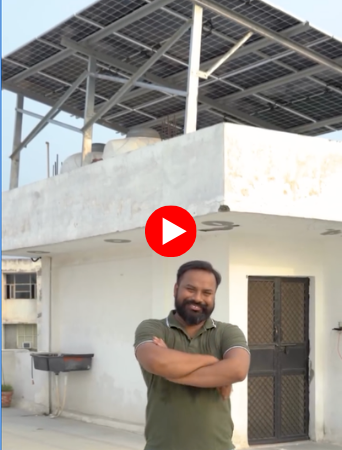
Going Solar: A Complete Guide for Homeowners — Part 2
What happens after your solar panels are installed? This guide covers the practical side of owning a rooftop solar system, from monitoring your plant to routine maintenance, common faults and troubleshooting, and the steps homeowners can take to keep their system performing efficiently. Read the complete guide
Do read part 1 of the guide too! It covers all you need to know about choosing the right system and installer, understanding costs, subsidies, paperwork, and what to expect before installation.

This month, we are shining the spotlight on one of India’s biggest builders, literally! Cement drives infrastructure, but its carbon footprint is massive. In this edition, we see how solar power can help.
Cement quite literally builds modern India, but it comes with a steep carbon cost. India, the world’s second-largest cement producer (391 MT annually), generates ~226 MT of CO₂ emissions from this sector alone.
To grow sustainably, the industry must pivot and the solution is right above us! Solar power is already helping India’s cement leaders lower emissions, lock in savings, and strengthen competitiveness. Read more
Despite policy roadblocks, the US solar industry installed 19.2 GW of PV capacity in the first half of 2026, according to the latest report from the Solar Energy Industries Association (SEIA). This compares with around 18.7 GW deployed in the same period of 2025. The US solar module production also reached a historic 100 GW landmark, and the nation’s solar capacity nears 300 GW, enough to power 50 million homes.
A look at how some other nations are leveraging solar power:
Researchers find perovskite solar cells function 10 meters below sea surface
Researchers in China deployed lead halide perovskite solar cells 10 meters below the surface of the South China Sea. The cells generated 324 mWh, enough to charge lithium-ion batteries, when submerged for two hours.

Solar panel waste silver turned into a catalyst for carbon monoxide production
Researchers in South Korea have developed a method to upcycle silver nanoparticles recovered from silicon solar panels into electrocatalysts for high-rate carbon monoxide (CO) production. CO is an industrial feedstock used to produce chemicals and fuels.
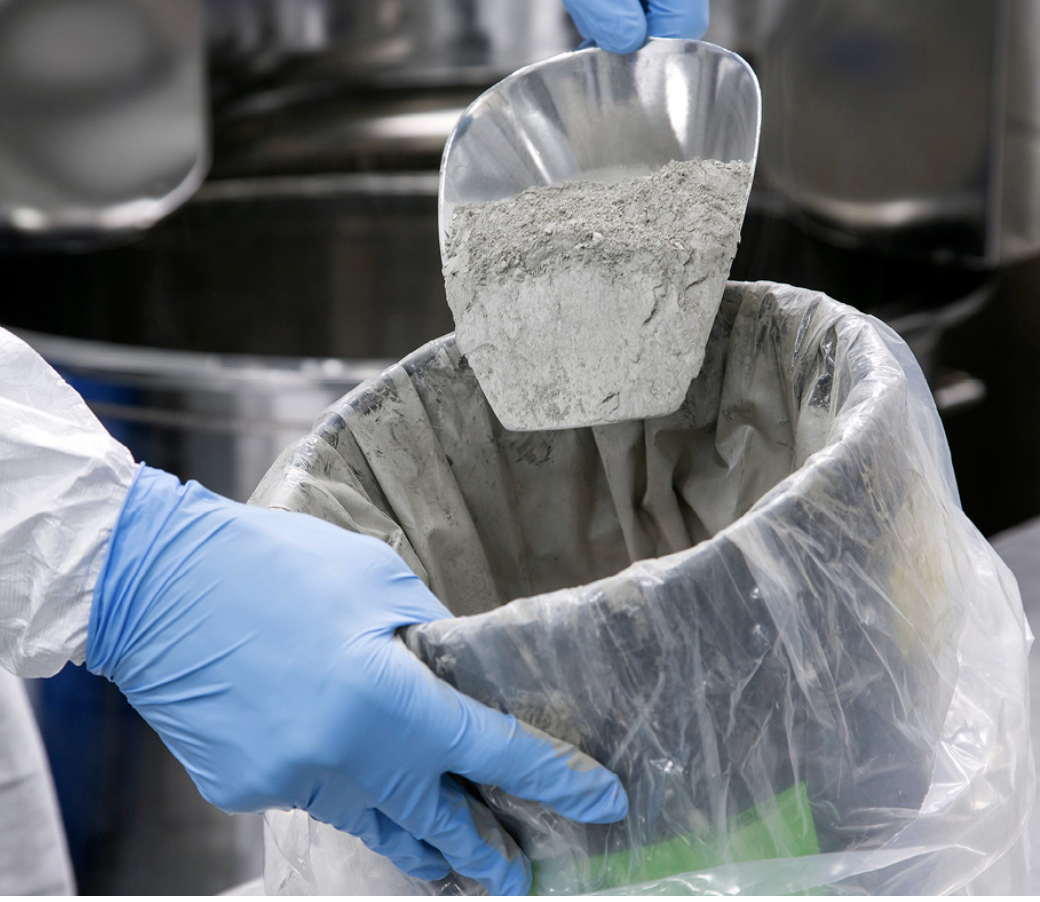
French agrivoltaic trials cut water loss, lift maize yields by 19.6%
French RE producer TSE has reported results from agronomic monitoring at its agrivoltaic sites, including barley yields of up to 96% of those recorded in a control plot, a 20% reduction in seasonal evapotranspiration, and a 19.6% increase in maize yield under exceptionally hot and dry conditions.

That’s it for this month and year, folks! Remember, Solar isn’t just a purchase, it’s a long-term decision about cost, reliability, and governance.
If you are planning your solar journey, whether for your home or business, we would love to be part of the conversation. From C&I businesses and MSMEs to RWAs and homeowners, Horizon Renewable can help you find the solar solution that fits you to the T.
And if you’re already using solar, we would love to hear your experiences. Share your journey with us. It could inspire many more to make the switch!
Contact us at 98111 21157 | 84482 95965 | info@horizonrenewablepower.com